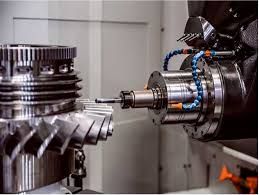
In recent years, medical technology has undergone a significant transformation, thanks in no small part to the rise of precision manufacturing techniques such as Computer Numerical Control (CNC) machining. Medical CNC is becoming a key player in the healthcare sector, revolutionizing the way medical devices, implants, and surgical tools are designed and produced. The fusion of engineering and healthcare through medical CNC technology has led to faster, more accurate, and cost-effective solutions, greatly benefiting patients and medical professionals alike. This article explores the impact of medical CNC on the global healthcare sector, from its applications to the challenges and opportunities it presents.
What is Medical CNC and Its Role in Healthcare?
Medical CNC (Computer Numerical Control) refers to the use of computer-controlled machinery to automate the manufacturing process of medical devices and equipment. By utilizing precise algorithms and automated technology, CNC machines can produce high-quality products with extreme accuracy, which is especially crucial in the medical field. The role of Medical CNC is not limited to just producing components, but extends to the creation of implants, prosthetics, surgical instruments, and even devices used in diagnostics and treatment. The precision and adaptability offered by medical CNC have made it indispensable in the creation of highly complex medical products.
Medical CNC technology enables manufacturers to produce a wide range of medical devices with intricate designs and geometries, which would be difficult or impossible to achieve with traditional methods. From customized implants tailored to an individual patient’s anatomy to small-scale surgical tools used in delicate procedures, medical CNC provides healthcare professionals with the exact tools they need to provide optimal care. In an era where personalization in healthcare is becoming increasingly important, CNC machining offers solutions that are not only precise but also adaptable to meet the ever-changing demands of modern medicine.
The Benefits of Medical CNC to the Healthcare Sector
The integration of medical CNC into healthcare manufacturing brings several key benefits, with the most notable being the enhancement of precision. Medical devices, such as orthopedic implants or prosthetics, must meet exact specifications to ensure proper functionality and fit. A fraction of a millimeter in deviation can result in significant issues, including complications during surgeries or discomfort for the patient post-operation. Medical CNC addresses this challenge by providing a level of accuracy that traditional manufacturing methods simply cannot match. This results in products that offer superior performance, patient safety, and reliability.
In addition to precision, medical CNC technology also offers significant improvements in the speed and efficiency of production. Medical devices that previously took days or even weeks to manufacture can now be produced in a fraction of the time. This helps address the growing demand for medical products, reduces lead times, and ultimately lowers costs for both manufacturers and healthcare providers. Furthermore, the automation aspect of CNC machining reduces the need for human intervention, which in turn minimizes the potential for errors, further improving the overall quality of
healthcare products and services.
Medical CNC in Customization and Patient-Centric Solutions
A key advantage of medical CNC is its ability to facilitate the creation of customized medical devices. As healthcare becomes increasingly patient-centric, there is a growing demand for products that are tailored to the individual needs of patients. CNC machining allows for the precise production of implants, prosthetics, and other devices that are designed to fit the unique anatomical structures of each patient. For example, in the field of orthopedics, medical CNC can be used to produce joint replacements that match the exact contours of a patient's bones, improving comfort and functionality.
Customization extends beyond just implants and prosthetics. Medical CNC is also being used in the creation of surgical tools that are specifically designed for individual procedures. Surgeons can now work with instruments that are tailored to their exact requirements, reducing the risk of complications during surgery and improving overall patient outcomes. As the healthcare industry increasingly prioritizes personalized care, the role of medical CNC in creating patient-specific solutions will continue to grow, offering better results and higher levels of patient satisfaction.
Challenges of Integrating Medical CNC in the Healthcare Industry
Despite its many advantages, the integration of medical CNC technology into the healthcare sector comes with certain challenges. One of the primary issues is the cost of implementing and maintaining CNC machines. These machines are often expensive, and setting up a CNC machining operation requires significant investment in both technology and skilled labor. While the long-term benefits of increased precision and efficiency can offset the initial investment, the upfront costs can be a barrier for smaller healthcare providers and manufacturers.
Another challenge is ensuring that medical CNC devices meet stringent regulatory standards. The healthcare industry is heavily regulated, with strict requirements for the safety and efficacy of medical devices. CNC-produced devices must undergo rigorous testing and certification processes to ensure they comply with international regulations such as the FDA (Food and Drug Administration) in the United States or the CE (Conformité Européene) mark in Europe. This can result in delays in bringing new products to market and additional costs associated with testing and certification. Furthermore, as the technology continues to evolve, regulatory bodies must keep pace with the advancements in CNC machining to ensure that products remain safe for patient use.
The Future of Medical CNC in Global Healthcare
Looking ahead, the future of medical CNC in the global healthcare sector appears promising. As technology continues to improve, CNC machines are becoming even more advanced, with greater precision, speed, and flexibility. This will open up new opportunities for the development of innovative medical devices and treatments, particularly in the fields of personalized medicine and regenerative medicine. Medical CNC has the potential to play a crucial role in the manufacturing of complex, biologically integrated devices, such as bioresorbable implants and 3D-printed prosthetics.
Additionally, the growing trend of healthcare digitalization and the rise of 3D printing technologies are expected to further integrate with CNC machining. 3D printing, in particular, can work in tandem with medical CNC to produce highly customized devices quickly and efficiently, revolutionizing the way medical solutions are delivered to patients. As medical CNC continues to evolve, it will undoubtedly continue to reshape the landscape of the healthcare industry, providing innovative solutions that improve patient care, reduce costs, and enhance the overall quality of healthcare worldwide.
Conclusion
The impact of medical CNC on the global healthcare sector cannot be overstated. From its role in improving the precision and efficiency of medical device manufacturing to enabling customized, patient-specific solutions, medical CNC is helping to shape the future of healthcare. While challenges remain, such as high costs and regulatory hurdles, the long-term benefits of this technology are undeniable. As the healthcare sector continues to embrace innovation, medical CNC will undoubtedly remain at the forefront, driving advances in medical device production and ultimately improving patient outcomes worldwide.